

veganism and food taboos
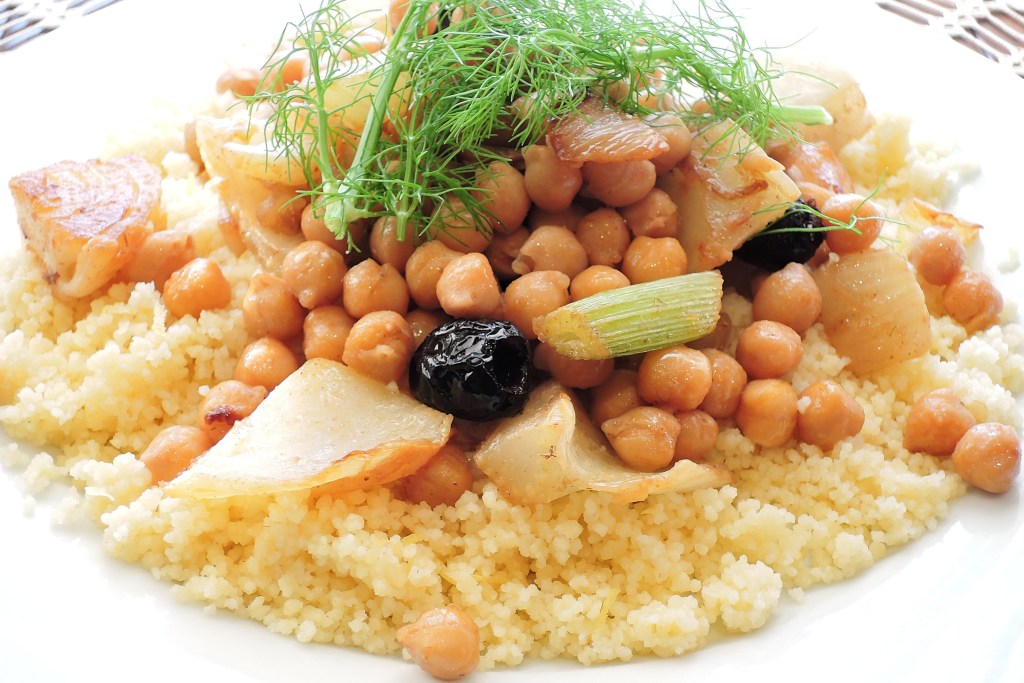
The Guardian carried an article on how veganism may be shifting the categories of food in Western cultures. It refers to the thinking of British anthropologist Edmund Leach who: “…described how humans make categories of things in order to create social logic. Although the animal species around us form a continuum (of which we, Homo sapiens, are a part), we name, categorise, and then treat those animals differently according to separate logic that applies to each category. Where the distinctions are unclear, or transgressed, they’re troubling and become taboo. English people (Leach’s example from his 1964 paper) have a binary of edible-inedible. But also a tripartite categorisation: beyond SELF comes PET – LIVESTOCK – WILD ANIMAL. Pets get names, they share emotional moments with us and we definitely don’t eat them – they become a sacred category.” Food taboos are a longstanding and fertile area of research and thinking in sociocultural anthropology, and the analysis of possible changes in food taboos promises to keep anthropologists busy into the future.
a whole lot of networking going on
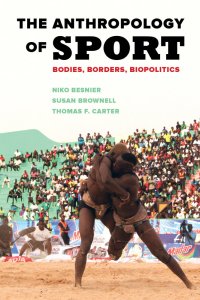 St Louis Public Radio reported on the Winter Olympic Games and how such games, as festivals that showcase athletic talent and provide sports entertainment, are more than just that. In a live radio program, a reporter talked to Susan Brownell, professor of anthropology at the University of Missouri at Saint Louis, who is attending the Olympics in South Korea and studying them. She says: “…it’s a really interesting moment in Olympic history and maybe world history when this big mega-event has left the conventional western powers for the first time in its over 100-year-history for three Olympic Games.” The 2018 Winter Olympics is the sixth Olympics Brownell will attend. She said that there are commonalities in the games over time, such as the street festivals and hospitality houses, which are buildings open to the public hosted by different nations. Commenting that the Olympics are a “global ritual” for celebrating humanity, she noted that tremendous amounts of global and internet coverage of the Olympics helps build shared experiences: “I’ve been interested in the ritual aspect of the Olympic Games ever since I was an undergraduate, just because there is this theory in anthropology that rituals build a sense of humanity and solidarity.” She will studying the hospitality houses in South Korea to see what goes on in the houses, where corporate sponsors and national Olympic committees have rooms to host VIPs and arrange meetings. She will also look at how host countries promote their own businesses during the games: “There’s actually a lot of very serious networking,” she said, particularly in the corporate world. “I feel that this is just a part of the growing integration of the global economy and the increasingly multinational nature of so many of the corporations in the world today.”


 An article in The National Post (Canada) that
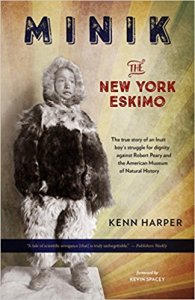 The New Yorker
 The Huffington Post


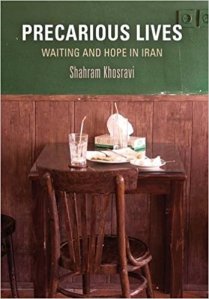 The Napa Valley Register (California)
 anthropologyworks